Drones for critical care and emergency response
Drones are conventionally referred to as UAVs and UAS which means unmanned aerial vehicles and unmanned aircraft systems respectively. Just like unmanned aerial vehicles and unmanned aircraft systems, other names used in place of the term drone are: RPV and RPAS, meaning remotely piloted vehicle and remotely piloted aircraft system respectively. Remotely piloted aircraft system is a more multinational and conventional term while remotely piloted vehicle is most often associated with military environments (ACUO, 2014)
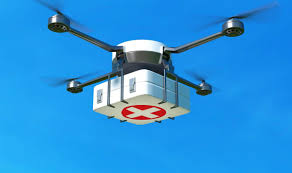 Basically, a drone is a form of robot designed to be flown by controlling it from a distance using a computer or devices with software-controlled flight plans programmed in them, operating simultaneously with built-in sensors and global positioning system (GPS). This however is done without a human pilot on board, hence the name unmanned aircraft (FAS, 2017).
We are in a digital age where technology is improving; a drone is one aspect of this technology that is yet to be embraced in the health sector. Drone technology can help the health industry improve care delivery and safety with regards to rapid delivery of vaccines, medications and other health supplies to areas where they are needed in time preventing an outburst of deadly communicable illnesses. Medical professionals ranging from paramedics to other health workers in primary health centers to large hospitals are faced with loads of challenges every day, which may include the ability the reach patients in dare need of immediate medical attention.
The distance between these patients and the health professionals could mean the difference between survival and death. Drones can help provide efficient health care to patients within a short period of time. Delivery of blood supplies, vaccines, medications, snake bite serum and other medical supplies to villages and rural areas with no access to health facilities may only be made possible with a drone.
Drones can fly in many places that manned aircrafts can’t, with its ability to navigate through difficult barriers like buildings and bridges as well as delivering these supplies to areas with no accessible roads. Within hospital walls, drones can help transport medications to patient’s bed side as well as courier blood for transfusion between hospitals in a timely fashion.
Unmanned aerial vehicles offers a wide range of possibilities to the healthcare industry, possibilities that are cost effective as well as life-saving. Medications, communication equipment, portable shelter, mobile technology and other essentials comprise the long list of items that could be transported via a drone without delay to areas that have been rendered inaccessible by conventional land and air transport as a result of disasters, pandemics or other tragedies.
The ability to travel a long distance effectively in a short time to deliver laboratory samples, blood products, medications and other essentials to areas needed is a great advantage. Unmanned aircraft
systems offer these opportunities, which is why Nyasa-Help and together with it partners organizations are beginning to delve into the drone technology to provide applications that enhance productivity and improve medical outcomes
Basically, a drone is a form of robot designed to be flown by controlling it from a distance using a computer or devices with software-controlled flight plans programmed in them, operating simultaneously with built-in sensors and global positioning system (GPS). This however is done without a human pilot on board, hence the name unmanned aircraft (FAS, 2017).
We are in a digital age where technology is improving; a drone is one aspect of this technology that is yet to be embraced in the health sector. Drone technology can help the health industry improve care delivery and safety with regards to rapid delivery of vaccines, medications and other health supplies to areas where they are needed in time preventing an outburst of deadly communicable illnesses. Medical professionals ranging from paramedics to other health workers in primary health centers to large hospitals are faced with loads of challenges every day, which may include the ability the reach patients in dare need of immediate medical attention.
The distance between these patients and the health professionals could mean the difference between survival and death. Drones can help provide efficient health care to patients within a short period of time. Delivery of blood supplies, vaccines, medications, snake bite serum and other medical supplies to villages and rural areas with no access to health facilities may only be made possible with a drone.
Drones can fly in many places that manned aircrafts can’t, with its ability to navigate through difficult barriers like buildings and bridges as well as delivering these supplies to areas with no accessible roads. Within hospital walls, drones can help transport medications to patient’s bed side as well as courier blood for transfusion between hospitals in a timely fashion.
Unmanned aerial vehicles offers a wide range of possibilities to the healthcare industry, possibilities that are cost effective as well as life-saving. Medications, communication equipment, portable shelter, mobile technology and other essentials comprise the long list of items that could be transported via a drone without delay to areas that have been rendered inaccessible by conventional land and air transport as a result of disasters, pandemics or other tragedies.
The ability to travel a long distance effectively in a short time to deliver laboratory samples, blood products, medications and other essentials to areas needed is a great advantage. Unmanned aircraft
systems offer these opportunities, which is why Nyasa-Help and together with it partners organizations are beginning to delve into the drone technology to provide applications that enhance productivity and improve medical outcomes
Basically, a drone is a form of robot designed to be flown by controlling it from a distance using a computer or devices with software-controlled flight plans programmed in them, operating simultaneously with built-in sensors and global positioning system (GPS). This however is done without a human pilot on board, hence the name unmanned aircraft (FAS, 2017).
We are in a digital age where technology is improving; a drone is one aspect of this technology that is yet to be embraced in the health sector. Drone technology can help the health industry improve care delivery and safety with regards to rapid delivery of vaccines, medications and other health supplies to areas where they are needed in time preventing an outburst of deadly communicable illnesses. Medical professionals ranging from paramedics to other health workers in primary health centers to large hospitals are faced with loads of challenges every day, which may include the ability the reach patients in dare need of immediate medical attention.
The distance between these patients and the health professionals could mean the difference between survival and death. Drones can help provide efficient health care to patients within a short period of time. Delivery of blood supplies, vaccines, medications, snake bite serum and other medical supplies to villages and rural areas with no access to health facilities may only be made possible with a drone.
Drones can fly in many places that manned aircrafts can’t, with its ability to navigate through difficult barriers like buildings and bridges as well as delivering these supplies to areas with no accessible roads. Within hospital walls, drones can help transport medications to patient’s bed side as well as courier blood for transfusion between hospitals in a timely fashion.
Unmanned aerial vehicles offers a wide range of possibilities to the healthcare industry, possibilities that are cost effective as well as life-saving. Medications, communication equipment, portable shelter, mobile technology and other essentials comprise the long list of items that could be transported via a drone without delay to areas that have been rendered inaccessible by conventional land and air transport as a result of disasters, pandemics or other tragedies.
The ability to travel a long distance effectively in a short time to deliver laboratory samples, blood products, medications and other essentials to areas needed is a great advantage. Unmanned aircraft
systems offer these opportunities, which is why Nyasa-Help and together with it partners organizations are beginning to delve into the drone technology to provide applications that enhance productivity and improve medical outcomes